Product Features
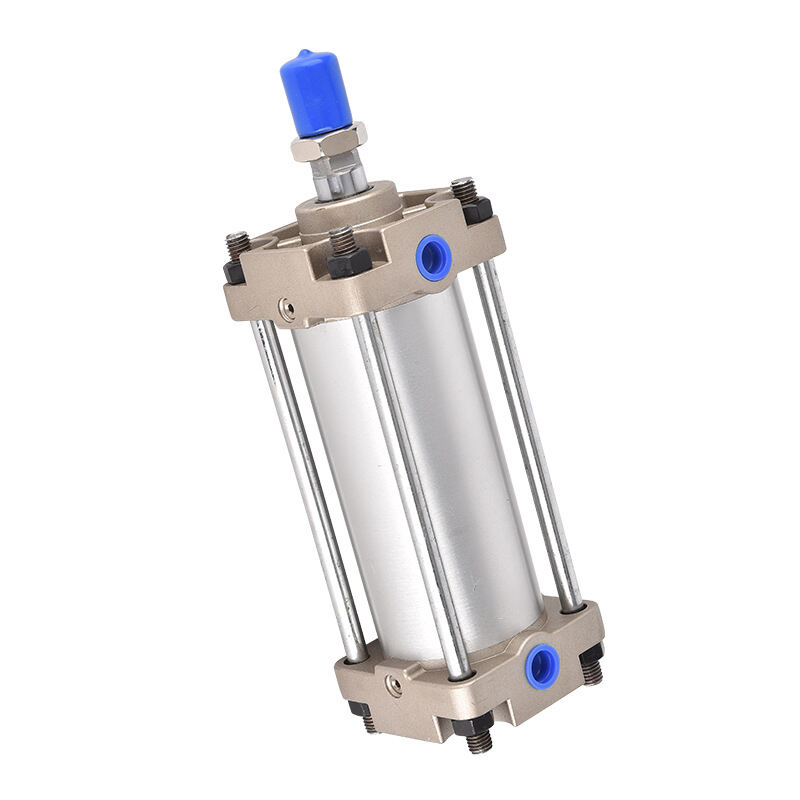
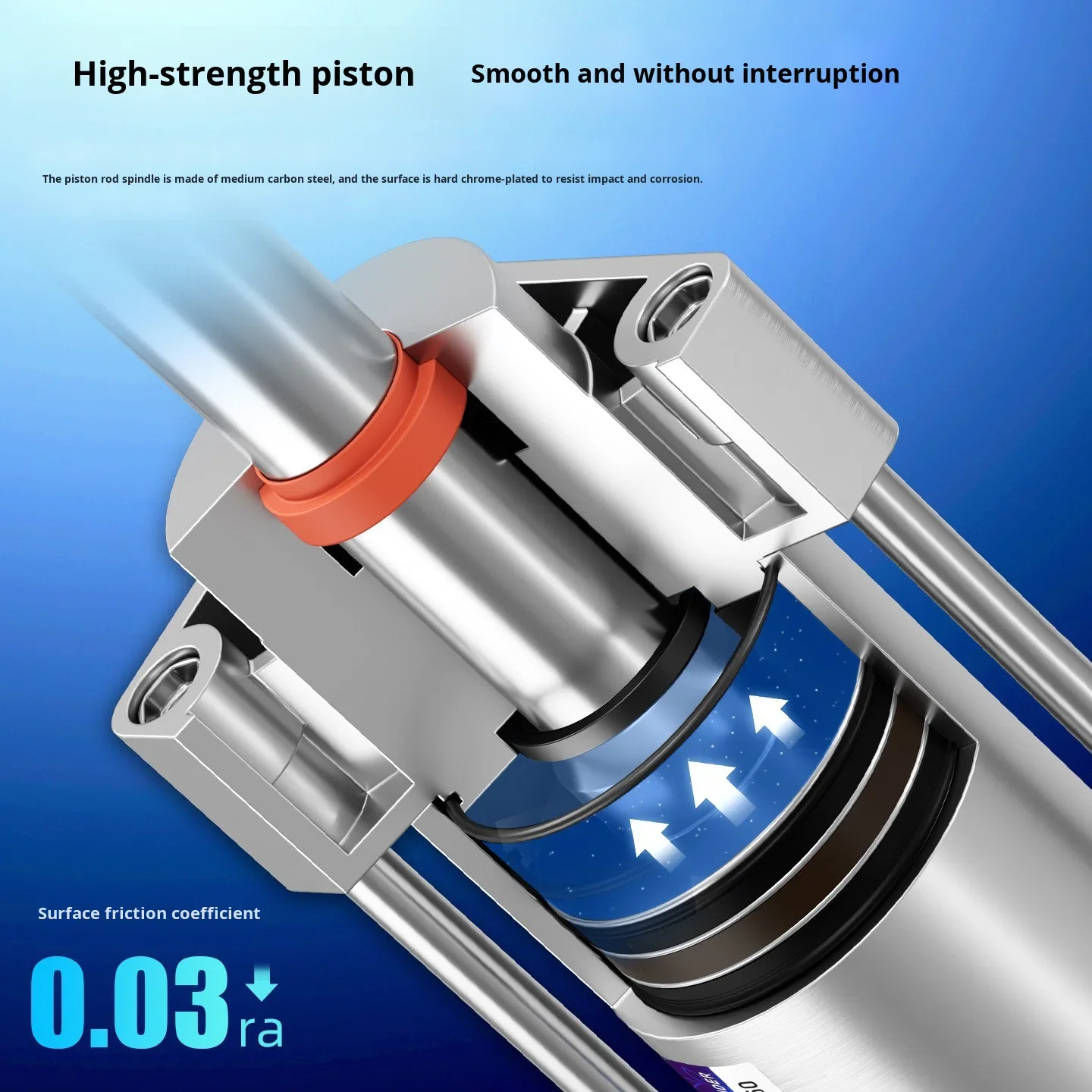
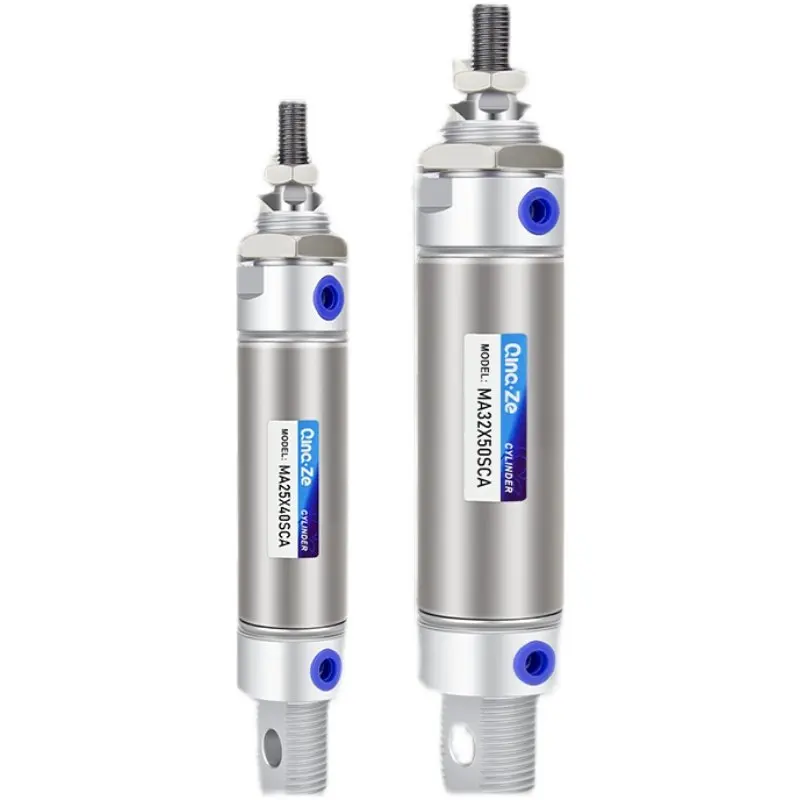
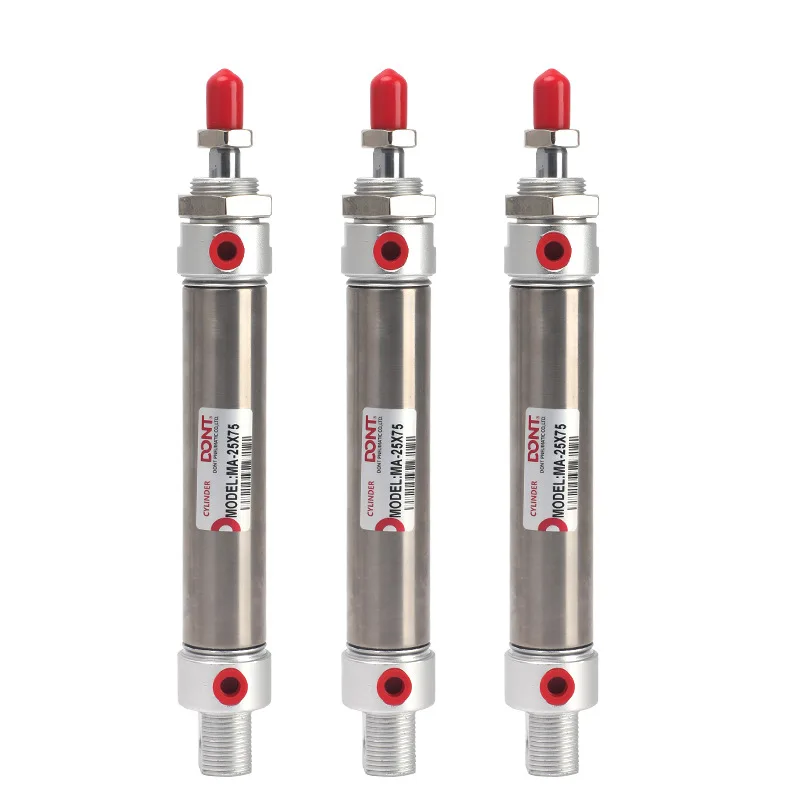
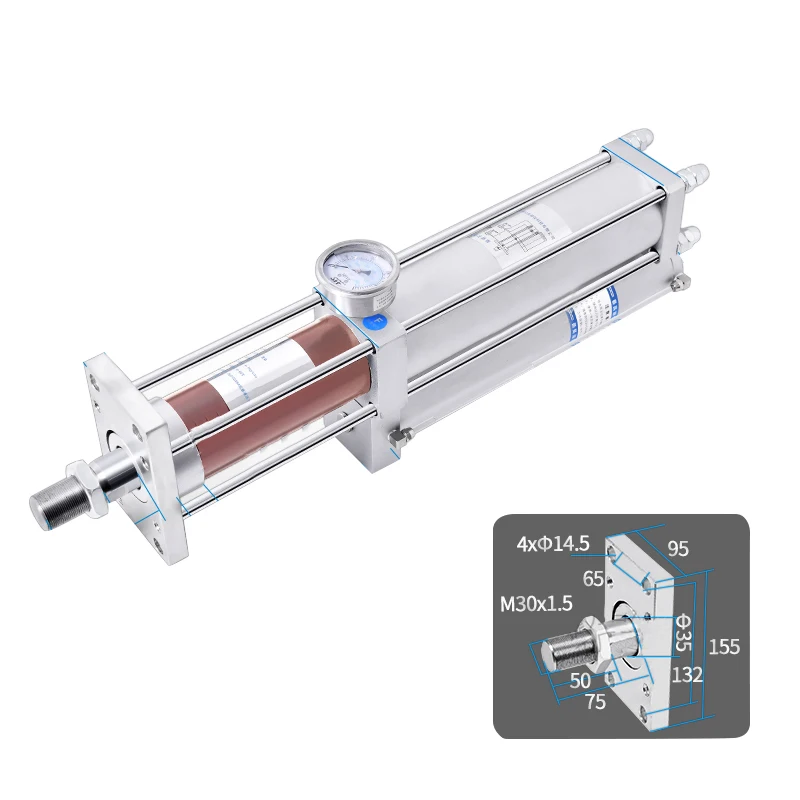
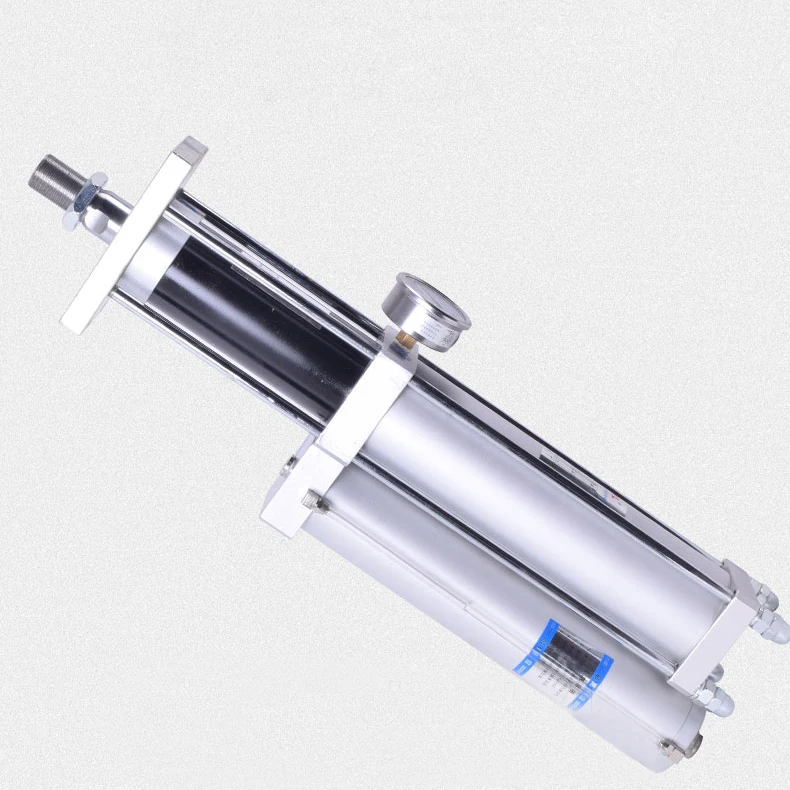
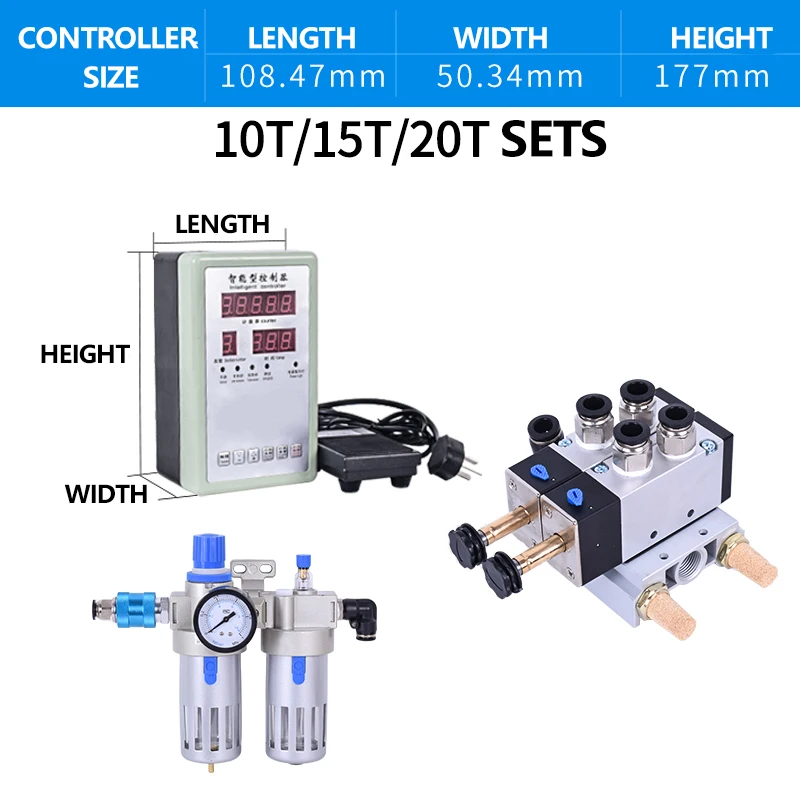
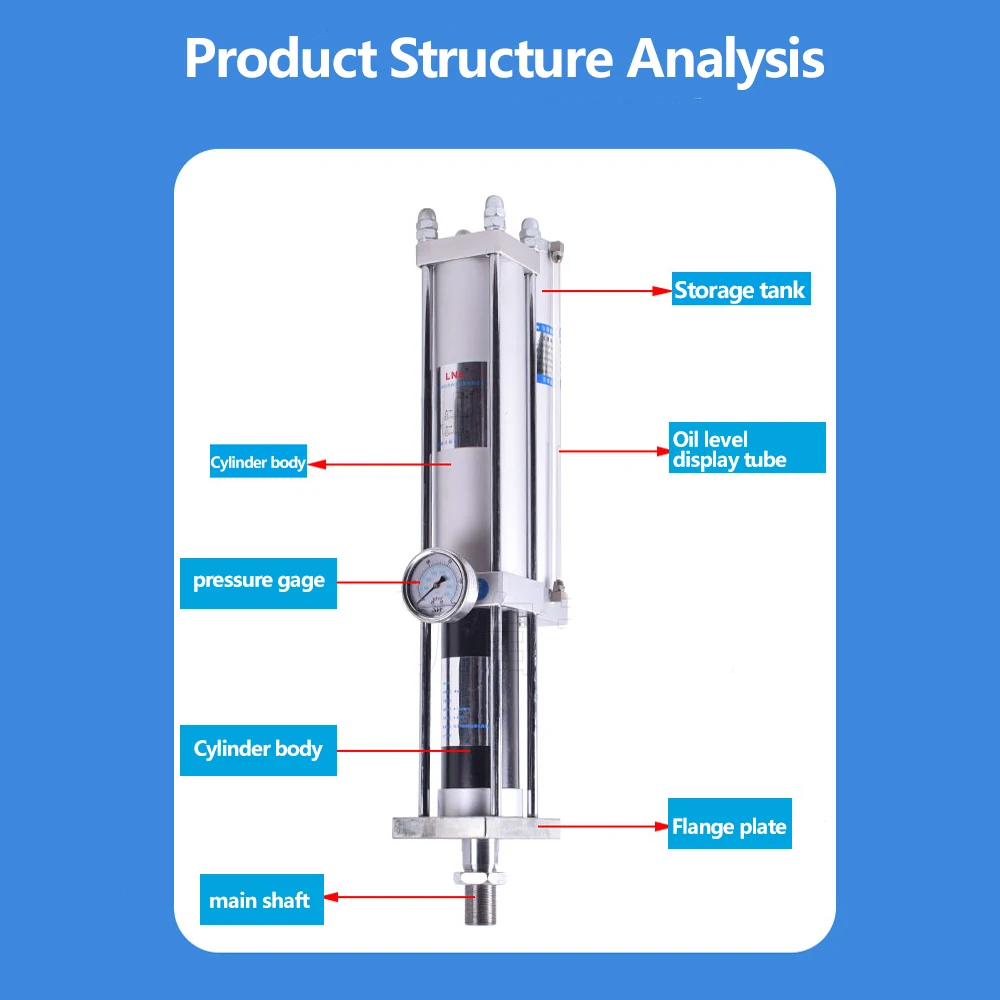
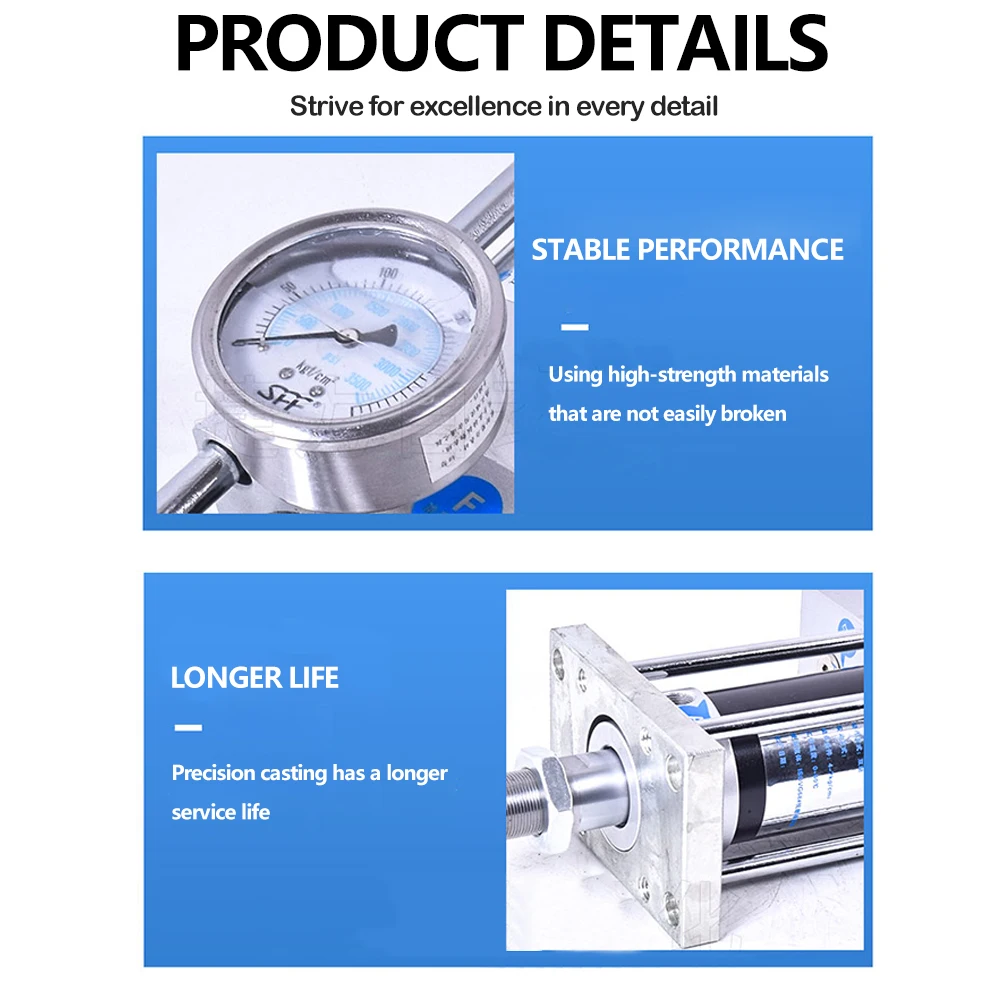
This series of pneumatic liquid booster cylinders adopts professional gas-liquid pressurized amplification structure, realizing fast idle advance and high-pressure power stroke switching automatically. The idle stroke is driven by compressed air with fast speed and high efficiency; the working stroke relies on gas-liquid supercharging to output stable high force, balancing operating efficiency and pressing pressure perfectly. It supports 1 Ton and 3 Ton standard tonnage output, with optional APT, JRA, MPT three structural types, meeting different installation space, stroke length and equipment matching demands. The internal precision sealing system adopts wear-resistant hydraulic oil seals and high-strength pneumatic accessories, with excellent pressure resistance and leak-proof performance, effectively preventing air leakage and oil seepage during long-term high-pressure operation. The whole cylinder body is made of high-strength aluminum alloy and thickened steel structure, with anti-rust and anti-corrosion treatment on the surface, ensuring rigid structural stability and deformation resistance under long-cycle high-load working conditions. The product adopts standard industrial working pressure (0.2-0.7MPa), compatible with conventional factory air source systems, no need for additional high-pressure equipment, plug-and-play with strong universality. Optimized internal flow channel design reduces operating resistance and noise, realizing low-noise and smooth cyclic operation.
Product Advantages
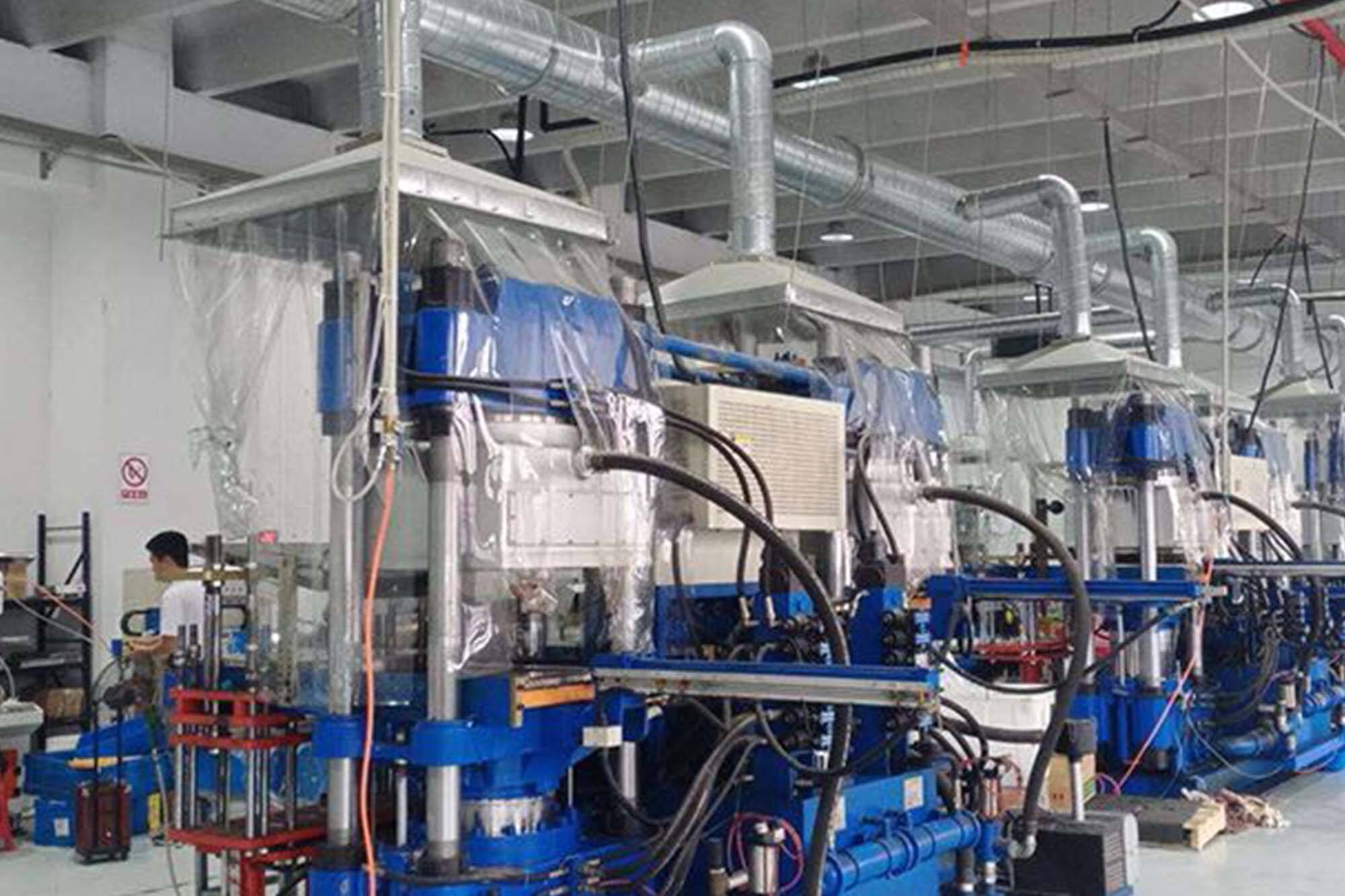
First, gas-liquid dual advantage integration. It retains the high speed and cleanness of pneumatics, and obtains the high-pressure stable output of hydraulics, avoiding the high cost and pollution defects of pure hydraulic systems. Second, energy-saving & high efficiency. No hydraulic station is required, relying solely on ordinary compressed air to complete pressure boosting work, greatly reducing equipment investment and daily energy consumption. Third, multi-series & multi-tonnage matching. APT/JRA/MPT three series plus 1T/3T core specifications realize diversified selection, adapting to light and medium pressing, punching and assembling scenarios. Fourth,stable & durable performance. Precision sealing configuration and high-strength cylinder body resist long-term high-frequency cyclic operation, with stable pressure output and low failure rate, reducing equipment maintenance downtime. Fifth, easy installation & wide compatibility. Compact integrated design saves installation space, compatible with automated pressing machines, punching equipment, assembly jigs and custom automation production lines, with high cost performance.
How to Use
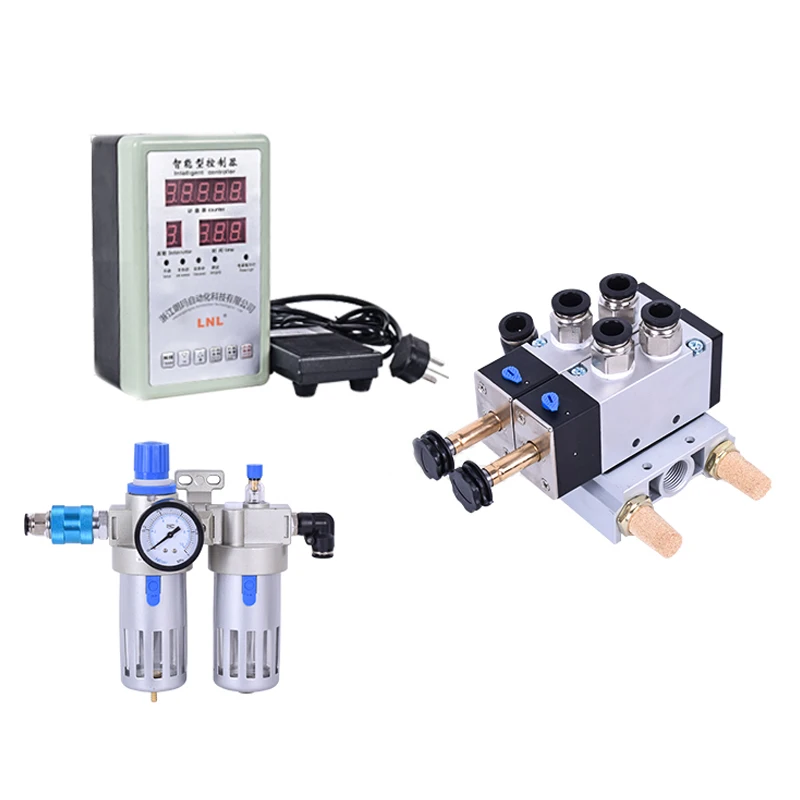
First, select the appropriate series and tonnage according to equipment pressing requirements: choose 1 Ton model for light assembling, marking and micro-pressing work; select 3 Ton model for medium-load punching, forming and pressure matching; confirm APT/JRA/MPT series according to installation size and stroke demand. Inspect the cylinder body, sealing parts and air inlet interface for damage, oil leakage and air leakage before installation. Second, fix the booster cylinder stably on the automation equipment bracket, ensure vertical and horizontal installation levelness to avoid eccentric load causing cylinder deformation and sealing wear. Third, connect the factory standard compressed air pipeline to the cylinder air inlet port, ensure air source is filtered and clean to prevent impurity abrasion of internal components. Fourth, inject standard ISO VG 68 hydraulic oil into the gas-liquid cavity as required, check the liquid level to ensure it is within the standard range, avoid insufficient oil volume affecting boosting effect. Fifth, perform idle test operation, debug the air pressure within 0.2-0.7MPa, verify that the idle stroke moves quickly and the working stroke boosts stably without jamming, abnormal noise or leakage. Sixth, carry out trial pressing operation, confirm stable tonnage output and accurate stroke positioning, then start formal mass production. For daily maintenance, regularly check air tightness and hydraulic oil level, replace aging seals periodically, and keep the air source filtering system clean to extend cylinder service life.






 EN
EN
 AR
AR
 BG
BG
 HR
HR
 CS
CS
 DA
DA
 NL
NL
 FI
FI
 FR
FR
 DE
DE
 HI
HI
 IT
IT
 KO
KO
 NO
NO
 PL
PL
 PT
PT
 RO
RO
 RU
RU
 ES
ES
 SV
SV
 TL
TL
 ID
ID
 SR
SR
 UK
UK
 ET
ET
 HU
HU
 TH
TH
 TR
TR
 FA
FA
 AF
AF
 MS
MS
 GA
GA
 BE
BE
 MK
MK
 AZ
AZ
 BN
BN
 LA
LA
 UZ
UZ
 HAW
HAW
 KY
KY